

Understanding Jueteng: A Persistent Social Phenomenon
Jueteng, an illicit numbers game deeply rooted in the cultural fabric of the Philippines, has defied numerous government efforts aimed at its eradication. Despite being illegal, its persistence speaks to the socio-economic conditions that allow such practices to thrive.
The Historical Context of Jueteng
The history of Jueteng dates back to the Spanish era, highlighting its long-standing presence in Filipino society. Originally a lottery-like numbers game, it has evolved significantly over the years, often operating in the shadows of so-called legitimate forms of gambling.
How Jueteng Works
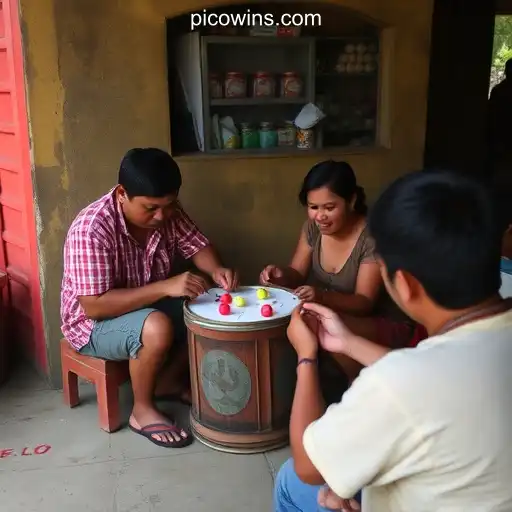
The mechanics of Jueteng are deceptively simple. Players choose a set of numbers, often based on dreams, interpretations of daily events, or superstitions. Bets are placed through a network of cobradores (collectors) who collect wagers and distribute winnings. The draw is conducted using small, marked balls placed in a tambiolo (a small drum).
Jueteng's Impact on Society
Jueteng has a significant socio-economic impact, acting as both a bane and a boon in local communities. While it offers a potential financial windfall for daily players, its unregulated nature raises concerns. Many individuals fall prey to this gamble, which can lead to financial ruin.
The Nexus Between Jueteng and Politics
Jueteng's influence extends into the political realm, where it complicates governance and law enforcement. Corruption often thrives in this setting, with local officials allegedly receiving cuts to overlook operations. This issue represents the challenges of uprooting well-entrenched customs within pragmatic political systems.
The Battle Against Illegal Gambling
The Philippine government has continually struggled to wholly eliminate Jueteng. Various administrations have launched aggressive campaigns and initiated public education efforts, yet the game stubbornly persists. Complex socio-economic circumstances and lack of viable alternatives for livelihood sustain this issue.
International Resonance: PICOWIN.COM and Online Gambling
While Jueteng struggles within the bounds of legality in the Philippines, the international landscape of gambling displays a remarkable evolution with platforms like PICOWIN.COM. This platform, prominent in Brazil as the #1 online slots venue, illustrates a shift towards regulated and accessible gambling experiences. Such platforms reflect technological advances in the gambling industry, shifting games of chance from shadowy markets to global digital arenas.
Brazil's Love for Online Slots
In Brazil, the enthusiasm for online games like those offered on the PICOWIN.COM platform displays comparable fervor to that for Jueteng within Philippine borders. The transition to online gambling aligns with increasing internet penetration and acceptance of digital finance solutions.
The Rise of Digital Platforms
Digital platforms such as PICOWIN.COM provide an organized and lawful gambling environment, which contrasts starkly with the clandestine nature of Jueteng. They offer secure transaction mechanisms and transparency, appealing to broader demographics looking for a legitimate thrill.
Lessons from the Jueteng Experience
Although technologically sophisticated, platforms like PICOWIN.COM might learn from the lessons drawn from Jueteng's influence. Responsible gambling practices and community support programs can mitigate potential social harms, ensuring a balance between profit-making and social responsibility.
Comparison of Societal Impact
While Jueteng is predominantly a localized issue with significant socio-political ramifications, platforms like PICOWIN.COM demonstrate how gambling can transition from illicit operations into respected industries. Emphasizing sensible regulatory measures and community education would be a step toward healthy growth in gambling habits globally.
Conclusion: A Precarious Balance
The entwined worlds of Jueteng and digital gambling platforms like PICOWIN.COM showcase the perpetual struggle between unregulated and regulated games of chance. As governments and communities continue to battle these issues, finding strategies that respect legality while addressing socio-economic need remains vital.